Top 10 Essential Ingredients for PREP Members: Elevate Your Culinary Game
As a member of the PREP community, having the right ingredients on hand can transform your cooking experience, making meal prep easier and more enjoyable. Here’s a guide to the top 10 essential ingredients every PREP member should consider stocking up on.
1. Olive Oil
Olive oil is a healthy fat that’s versatile and can enhance the flavor of many dishes.
- Use it for sautéing vegetables or drizzling over salads.
- Look for extra virgin olive oil for the best flavor and health benefits.
2. Quinoa
This protein-packed grain is perfect for making salads, side dishes, or as a base for bowls.
- Quinoa is gluten-free and rich in fiber, making it a healthier choice.
3. Canned Beans
Beans are a great source of protein and can be used in various recipes.
- Choose varieties like black beans, chickpeas, or kidney beans.
- Use them in salads, soups, or to make delicious dips.
4. Fresh Herbs
Fresh herbs can elevate the taste of any dish and bring a vibrant touch to your meals.
- Basil, parsley, cilantro, and mint are great options to have on hand.
- Grow your own herbs in small pots for easy access.
5. Whole Grains
Whole grains such as brown rice, barley, and oats are excellent for heart health.
- Consider preparing large batches for meals throughout the week.
- They can be used in salads, bowls, or as side dishes.
6. Natural Sweeteners
Replace refined sugar with natural sweeteners like honey, maple syrup, or agave nectar.
- These give a subtle sweetness to your dishes without the empty calories.
7. Nuts and Seeds
These are perfect for snacking or adding to recipes for an extra crunch.
- Almonds, walnuts, chia seeds, and flaxseeds are all excellent choices.
- Add them to smoothies, salads, or yogurt for added nutrition.
8. Spices and Seasonings
A well-stocked spice cabinet is essential for making flavorful dishes.
- Consider adding salt, pepper, paprika, cumin, and garlic powder to start.
- Experiment with different spices to find your favorite combinations!
9. Lean Proteins
Incorporate lean proteins like chicken breast, turkey, tofu, or fish into your meals.
- They’re great for meal prep, allowing for quick and nutritious meals.
10. Seasonal Fruits and Vegetables
Buying seasonal produce not only supports local farmers but also ensures fresher ingredients.
- Visit a local farmer’s market for the freshest options available.
- Build your meals around the produce in season to keep things exciting!
Incorporating these essential ingredients into your pantry will significantly enhance your cooking experience as a PREP member. Forget about complicated recipes; focus on fresh, wholesome ingredients to make delicious meals with ease. Happy cooking!
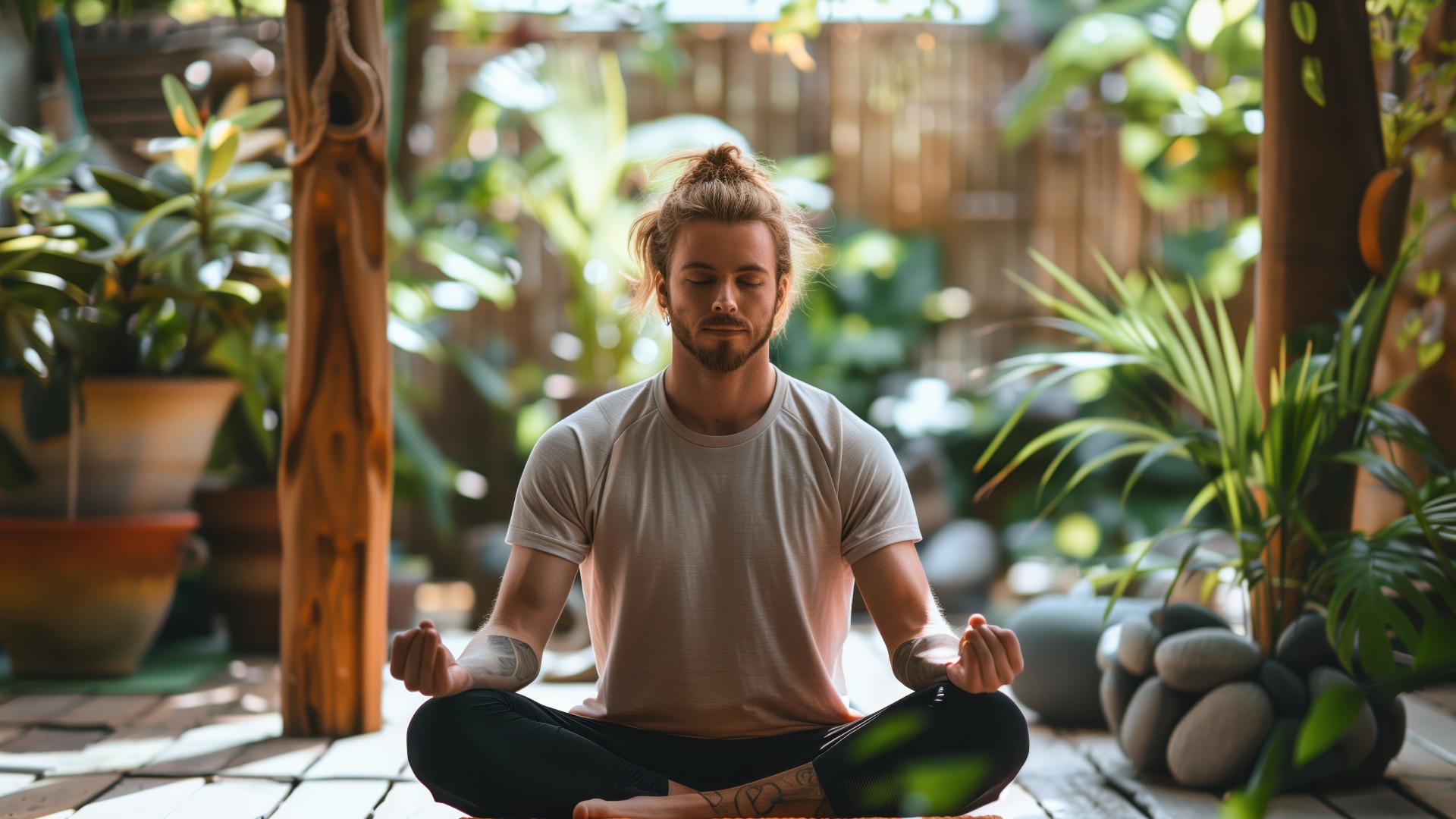
Yoga and meditation are often spoken of together, yet many practitioners treat them as separate practices. The truth is—when combined, they enhance each other beautifully. While yoga prepares the body by releasing tension and increasing focus, meditation anchors the mind in presence and stillness. Integrating meditation into your yoga routine can elevate your practice from a physical workout to a holistic journey of mind, body, and spirit.
In this guide, we’ll explore simple and effective ways to blend meditation seamlessly into your yoga flow—no matter your level of experience.Start with 2–5 minutes of mindful breathing or body awareness to ground your energy and shift into the present moment. This helps clear mental clutter and prepares your mind for focused movement.
Why Combine Yoga and Meditation?
Yoga is not just movement—it’s a pathway to stillness. Traditionally, yoga postures (asanas) were designed to prepare the body for extended meditation. When you merge the physical and the mental, the result is a grounded, focused, and deeply healing practice.
Benefits of combining the two:
Reduces stress and anxiety
Improves concentration and emotional balance
Deepens self-awareness and mindfulness
Enhances the spiritual depth of your practice
When to Meditate During Your Yoga Practice
1. Before Yoga (To Center Yourself)
Start with 2–5 minutes of mindful breathing or body awareness to ground your energy and shift into the present moment. This helps clear mental clutter and prepares your mind for focused movement.
Try: Easy Seated Pose + Deep Breathing
Focus: Inhale calm, exhale tension
Simple Meditation Techniques to Try
2.During Yoga (Mindful Transitions)
While holding poses, turn your awareness inward. Focus on your breath, bodily sensations, or even repeat a calming mantra silently. Moving mindfully is a form of meditation in itself.
Try: Flow slowly between poses with breath-focused
Focus: “I am present in this moment”
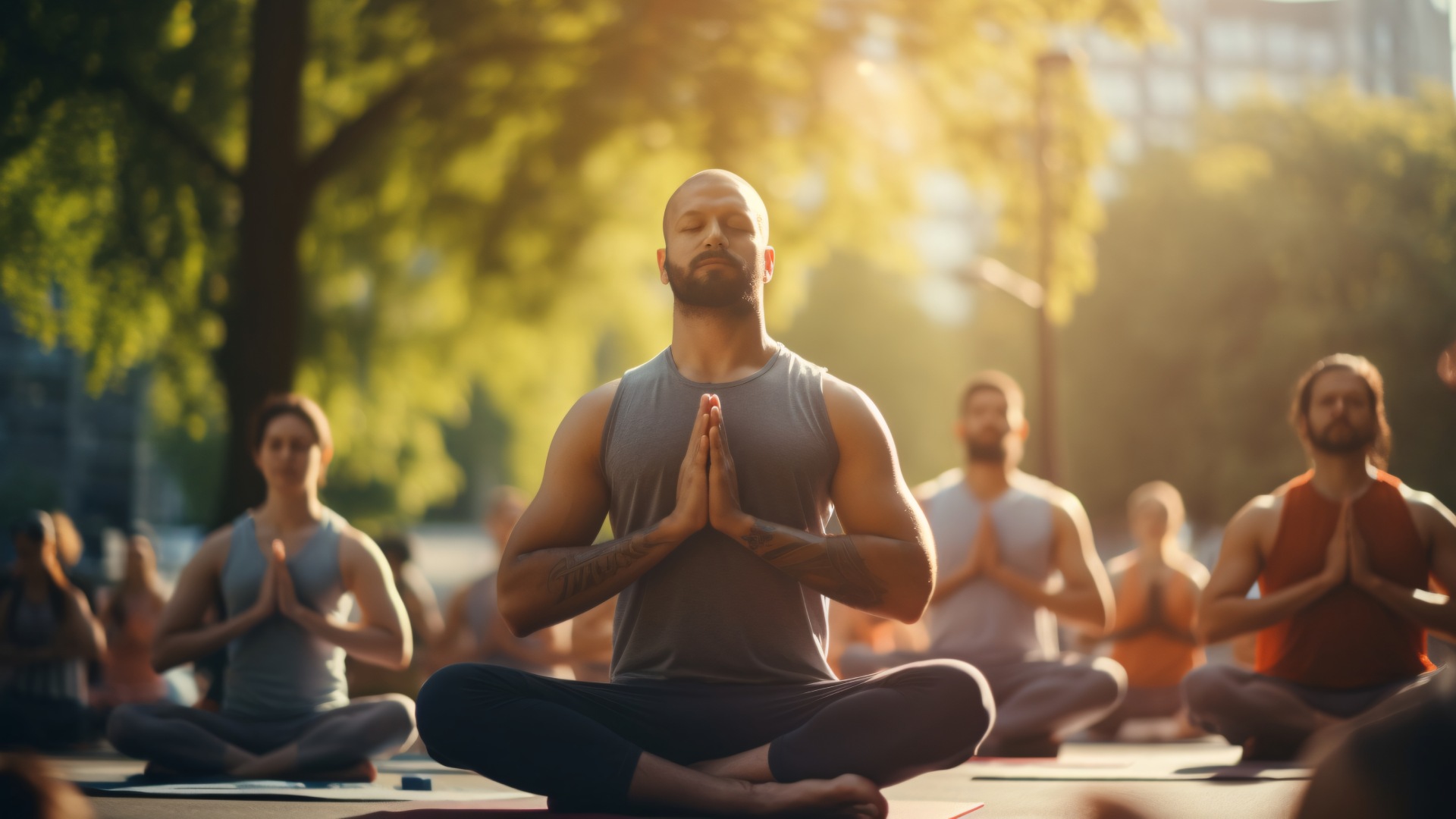
1. Reduces Stress and Anxiety
One of the most well-known benefits of yoga and meditation is their ability to relieve stress. Practicing deep breathing and mindful movement activates the parasympathetic nervous system—your body’s natural relaxation response. Meditation, especially mindfulness meditation, helps you stay present and break the cycle of overthinking.
Try This: Begin your day with 5 minutes of deep belly breathing or a short body scan meditation to calm your mind.
Focus: Inhale calm, exhale tension
2. Improves Emotional Regulation
Yoga teaches you to observe your thoughts without judgment. Through regular practice, you learn how to respond rather than react to life’s challenges. This heightened emotional awareness allows you to better handle mood swings, irritability, or overwhelming emotions.
Did You Know? Poses like Child’s Pose and Forward Fold help release stored emotional tension from the hips and spine.
Focus: Calm begins with your breath, clarity follows
3. Boosts Self-Esteem and Confidence
When you dedicate time to your inner growth, your sense of self naturally strengthens. Whether it’s holding a difficult pose or sitting still in meditation, each practice builds mental resilience. As you tune into your body and thoughts, you become more comfortable in your own skin.
Empower Yourself: Use affirmations during your yoga practice—“I am enough,” “I am grounded,” or “I trust myself.”
Focus: Inhale calm, exhale tension
4. Enhances Focus and Mental Clarity
Both yoga and meditation improve cognitive function by training your brain to stay in the moment. Concentration-based practices like Trataka (candle-gazing) or guided meditations help clear mental clutter and enhance productivity. Even a short session can refresh your mental energy.
Quick Tip: Try a 10-minute guided meditation during your lunch break to reset your mind.
Focus: Center your mind, release what weighs you down
5. Promotes Better Sleep and Relaxation
Chronic stress and racing thoughts can disturb your sleep. Gentle yoga poses and meditation before bedtime can calm your nervous system, reduce cortisol levels, and prepare your body for restful sleep. Yoga Nidra, a guided sleep meditation, is especially effective.
Evening Ritual: Practice legs-up-the-wall pose (Viparita Karani) for 10 minutes before bed to support deep relaxation.
Focus: Breathe in peace, breathe out stress
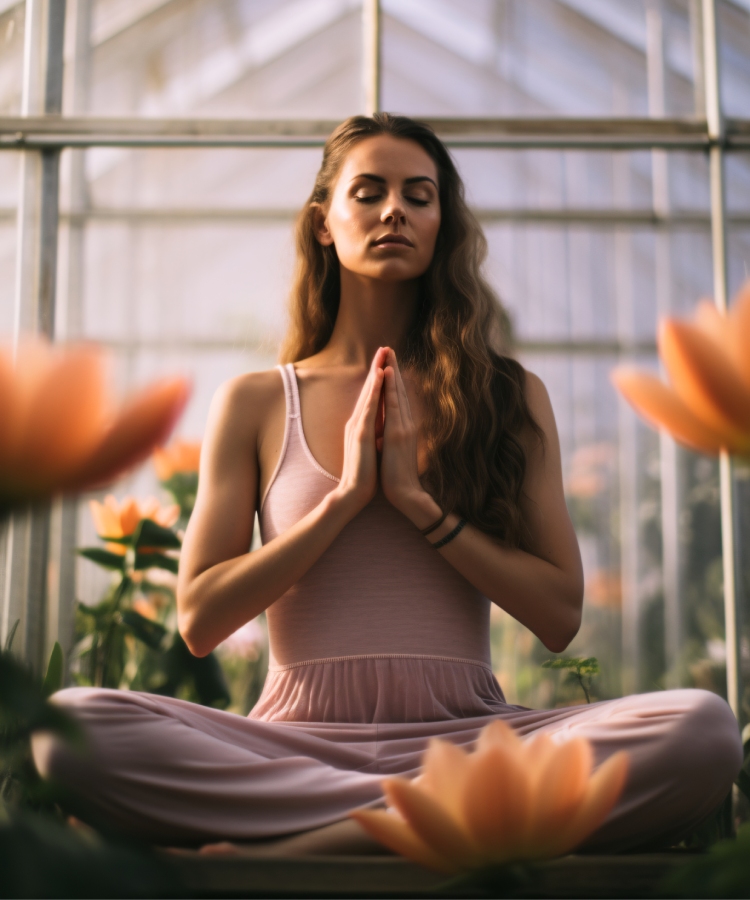
Have you ever felt mentally drained, emotionally blocked, or physically off-balance without knowing why? It might be more than just stress. In yoga and meditation traditions, our body is believed to have seven major energy centers, called chakras, each responsible for specific aspects of our well-being. When these chakras are misaligned or blocked, we feel it on every level mind, body, and spirit.
Through mindful yoga poses, breathwork, and meditation, you can begin to restore balance, boost energy, and find inner peace. This beginner’s guide will show you how.The word chakra means “wheel” in Sanskrit, referring to spinning energy centers in the body. There are seven main chakras, each located along the spine and associated with different physical, emotional, and spiritual functions
“Awaken balance and clarity by aligning your energy centers through the ancient practices of yoga and meditation. Chakra balancing nurtures physical vitality, emotional resilience, and spiritual connection guiding you toward a life of inner peace and mindful living”
The human body contains seven key chakras—energy centers that influence our physical well-being, emotional balance, and spiritual connection. When these chakras become blocked or imbalanced, we may experience symptoms like stress, anxiety, fatigue, or even health issues. Through targeted yoga postures and focused meditation, we can stimulate and harmonize each chakra to restore overall balance.
How Yoga Helps Balance Chakras
Each chakra can be activated through specific yoga postures (asanas). These poses help release tension, increase awareness, and direct energy to areas of imbalance.
ree Pose (Root Chakra) – Builds grounding and stability
Bound Angle Pose (Sacral Chakra) – Opens hips and emotional flow
Camel Pose (Heart Chakra) – Opens the chest and emotional space
Shoulder Stand (Throat Chakra) – Stimulates communication
Child’s Pose (Third Eye Chakra) – Enhances introspection
Headstand or Meditation (Crown Chakra) – Awakens spiritual connection
Welcome to WordPress. This is your first post. Edit or delete it, then start writing!